
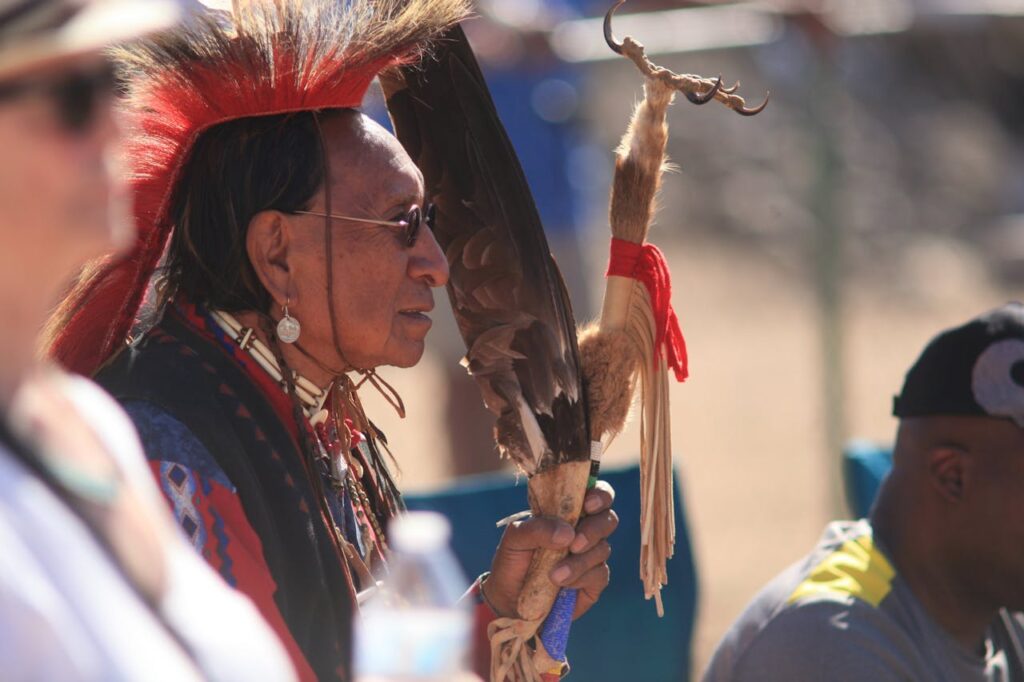
For me, Indigenous Knowledge AOK is one of the most interesting parts of the TOK course. As an experienced IB writer, I know that a lot of students either don’t care about Indigenous Knowledge or don’t know how to add it to their TOK essays. But once you know how this Area of Knowledge works, you can use it to analyze, compare, and evaluate things very effectively.
You should not think of this AOK as “alternative facts” from the start. Instead, see it as an organized Area of Knowledge that is shaped by society, surroundings, and shared experience.
What Is Indigenous Knowledge AOK in TOK?
Indigenous knowledge AOK stands for knowledge systems that indigenous groups have built up over extended periods of time, perhaps hundreds or even thousands of years. I think the main point here is continuity: people form this information over time, test it in real situations, and refine it through lived experience.
Indigenous Knowledge in TOK is significantly different from what you learn in textbooks or academic journals. It is very much tied to where you live, your culture, and your daily life. It comes from being connected to the environment and immediately meets actual requirements like health, survival, and social harmony.
This AOK is also included in the IB to encourage you to think outside of the traditional Western academic traditions.
Indigenous Knowledge AOK | Typical Western Academic Knowledge | |
|---|---|---|
| How knowledge develops | Gradually, across generations | Often, through formal research |
| How it is shared | Oral traditions and practice | Written texts and publications |
| Who validates knowledge | Elders and community | Institutions and experts |
| Main focus | Local relevance and survival | Universal principles |
The Indigenous Knowledge AOK prompts students to consider whether writings, controlled experiments, and data are the only reliable sources.
So, it makes room for talking about knowledge that doesn’t come from official institutions but from observation, memory, and group approval.
Indigenous Knowledge as an Area of Knowledge
Because it fits the idea of knowledge so clearly, the IB includes Indigenous Knowledge as its own Area of Knowledge in TOK. People in a community share it, change it through use every day, and depend on it in real life. It’s easy for students to get stuck here at first if they think that real information is only found in history books or science rooms. But if you take a step back and look at how Indigenous Knowledge is used in real life, the idea starts to make sense and doesn’t seem so academic anymore.
Long-term observation, frequent practice, and community shared memory are some of the ways this AOK matures. People test their knowledge throughout time by applying what they’ve learnt in real-life situations. People express it via stories, traditions, performances, and daily activities.
Here, information comes from elders, experience, and community trust, not from labels or study papers. This way of thinking helps students understand what evidence is and how information can be verified.
What makes Indigenous Knowledge AOK special is how closely it connects knowledge with responsibility. In many traditional cultures, people believe that knowledge of the land comes with a responsibility to act in a certain way. Because of this, knowledge never exists on its own. Instead, it stays tied to values and identity. In my opinion, this creates a very different setup from other Areas of Knowledge, where people often separate what they know from how they choose to behave.
What Indigenous Knowledge AOK Includes?
Indigenous knowledge AOK has a lot of useful and cultural information that people in communities use every day. For example, it means knowing a lot about the flora, animals, weather, and land usage in your area. You can’t learn this in a short amount of time. Instead, it grows via diligent observation over time. We use this information to determine when to plant crops, how to care for the land, and how to adapt to environmental changes.
Furthermore, Indigenous Knowledge often contains traditional medicine, healing methods, and survival abilities that have been honed throughout time. Sometimes we underestimate how thorough this information may be. However, if you look carefully, you’ll see distinct patterns of testing and progress over time.
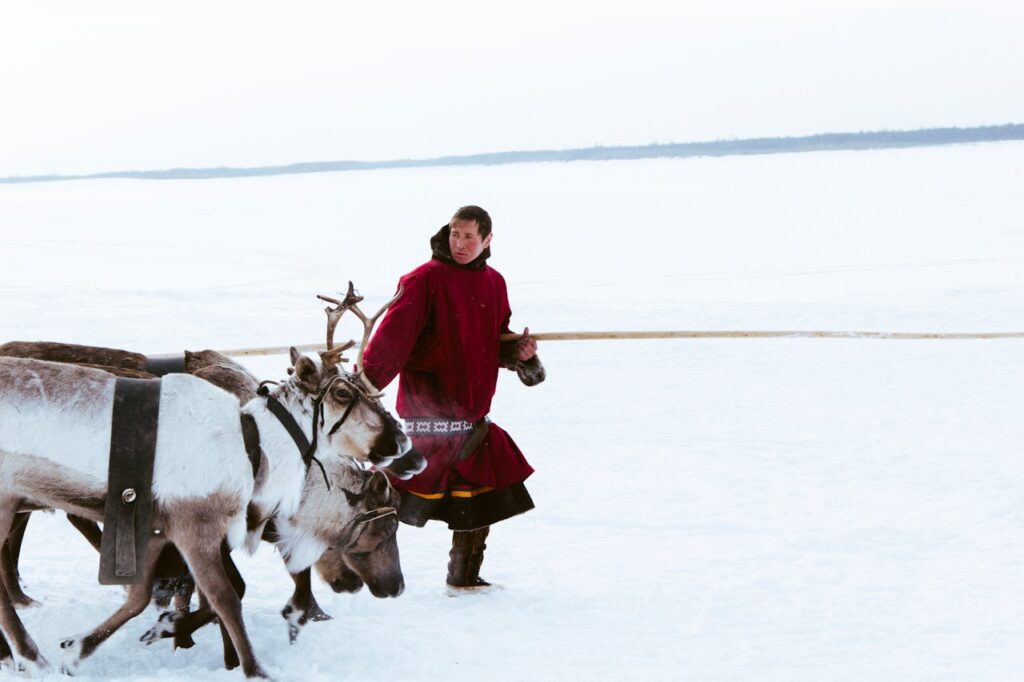
In general, Indigenous Knowledge covers:
- Knowledge of local ecosystems and seasonal cycles.
- Traditional healing methods, the use of natural resources.
- Survival skills such as navigation, hunting, or food preparation.
- Social rules that guide behavior within the community.
- Moral expectations related to respect, balance, and responsibility.
Social rules and moral expectations also play a big role in this knowledge system. Communities need to have the same understanding of what is right and wrong. This understanding helps them act in a way that is good for everyone and helps them solve problems. To me, this shows that Indigenous Knowledge is more than just practical skills and observations. It also affects how people live together, make choices, and keep their community functioning over time.
But Indigenous Knowledge is not the same as the Natural Sciences, where they aim to explain things in a way that works everywhere. So, when we try to judge Indigenous Knowledge using global or standardized criteria, it often leads to misunderstandings.
Ways of Knowing in Indigenous Knowledge AOK
Instead of keeping WOKs separate, Indigenous Knowledge mixes Experience, Emotion, Language, and Intuition WOK into one whole living thing.
To begin, Sense Perception is critical here. Long-term, careful observation of the surroundings is how indigenous groups learn. The weather, animal activity, the seasons, and the state of the land all have trends that people can see. These views are based on experience and are accurate because they are passed down from generation to generation. The IB says this method still produces knowledge, even though it doesn’t involve official trials.
At the same time, Intuition and Emotion have a big effect on how knowledge works. Feeling connected to the land, ancestors, and society makes people more responsible and respectful. Emotion, in my opinion, doesn’t make this less reliable. Instead, it helps people remember what they’ve learned and use it carefully in real life.
Now, to the Language. Stories, symbols, and oral narratives pass knowledge forward. Although these stories may not sound scientific, they carry practical lessons and cultural meaning. Therefore, students need to evaluate them within their proper context.
| How It Works | Why It Matters | |
|---|---|---|
| Sense perception | Long-term observation of nature and surroundings | Builds reliable knowledge through repeated experience |
| Emotion | Emotional ties to land and community | Encourages responsibility and care |
| Intuition | Decisions shaped by experience | Supports quick and practical action |
| Language | Oral stories and symbols | Passes knowledge without written records |
| Memory | Collective and generational recall | Keeps knowledge consistent over time |
| Faith | Cultural and spiritual beliefs | Shapes values and ethical behavior |
As you can see, knowledge isn’t just based on written proof. Instead, it grows through shared experiences, trust, and paying close attention to the world around us.
How to Use Indigenous Knowledge AOK in TOK Essay?
At first, it might be hard to apply this Area of Knowledge in your TOK essay, especially if you are better at writing about science or History AOK. But from what I’ve seen, Indigenous Knowledge works best when you use it carefully, not just to include it in every title.
Don’t let the stress of the IB curriculum hold you back.
Our experienced writers can help you choose the perfect title and assist you with any assignment.
You can order an IB TOK essay tailored to your specific requirements.
Our experienced IB writers are always ready to help.
Simply click:

1️⃣ Choose TOK Titles Properly
In my opinion, this AOK works particularly well with titles about evidence, authority, truth, or the role of context in knowledge. Just check whether Indigenous Knowledge actually helps you answer the question rather than just appearing as an extra example.
2️⃣ Use Specific Real-Life Examples
Avoid vague references to indigenous cultures. Instead, focus on specific practices such as land management, traditional medicine, or environmental knowledge.
From my experience, examiners respond much better when you explain exactly what the knowledge is and why it matters.
3️⃣ Compare It with Another Area of Knowledge
Indigenous Knowledge becomes much stronger when you place it next to another AOK. For example, you can compare it with Natural Sciences or Ethics AOK. This allows you to evaluate differences in methods, evidence, and reliability.
According to general IB criteria, comparison helps demonstrate critical thinking rather than description.
4️⃣ Weight Strengths and Limitations
Every Area of Knowledge has limits, and Indigenous Knowledge is no exception. In a strong TOK essay, you should explain where this knowledge works well and where it may struggle.
5️⃣ Avoid Stereotypes
Be careful with language. Indigenous Knowledge covers many different communities, not one single system. Therefore, always avoid broad claims and make it clear which context you are discussing. Careful wording shows maturity and respect, both of which matter in TOK essays.
To Sum It Up
Indigenous Knowledge as an Area of Knowledge often flies under the radar, even though it gives you a lot of strong material for TOK. From my experience, once you actually get comfortable with it, your thinking about knowledge becomes sharper and more flexible. When you use Indigenous Knowledge as AOK wisely, your essays feel more balanced and much more convincing.
And if you ever hit a wall with examples, structure, or evaluation, our IB writers at IBWritingService.com are always there to help you with TOK essays and exhibitions.
